
All-Inclusive or Room-Only? Choosing a Meal Plan for Your Aruba Hotel
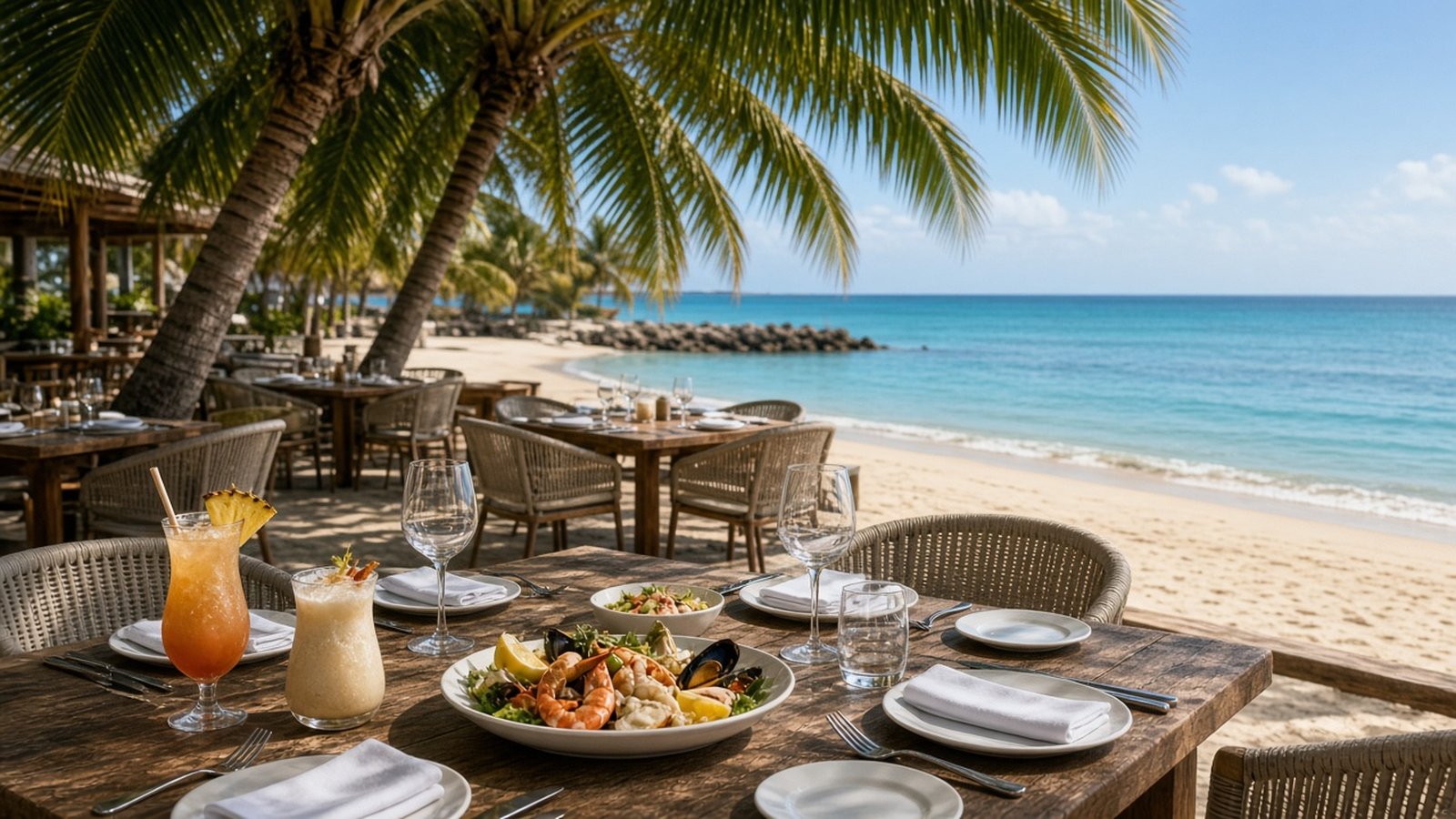
When you book a hotel in Aruba, one of the biggest decisions is not just where to stay but how you want to eat. Some resorts offer all-inclusive packages that cover meals and drinks, while many hotels operate on a room-only basis, sometimes called the European Plan. Others sit in between, with breakfast included or optional meal packages.
There is no universally right answer. The best choice depends on how you travel, how much you drink, how adventurous you are with food, and how much you want to leave the property. This guide breaks down the trade-offs so you can decide with confidence.
What the common meal plans mean
- Room-only (European Plan): You pay for the room and buy all food and drinks separately, at the hotel or elsewhere.
- Bed and breakfast: Breakfast is included each morning; other meals are on your own.
- Half board or meal packages: Breakfast plus one other meal, or a set number of meals, are included.
- All-inclusive: Most meals, snacks, and drinks at the resort are covered by one price. What is included varies, so read the details.
Terminology differs between hotels, so always check exactly what a package covers rather than relying on the label.
The case for all-inclusive
Predictable spending
The biggest advantage is knowing most of your costs before you arrive. Aruba is not a budget destination for dining, and restaurant and bar bills can add up quickly. With an all-inclusive plan, you are less likely to come home to surprises.
Convenience
Everything is on site. You can walk from the beach to lunch to the pool bar without thinking about money or transport. This is especially appealing for families with children, who often want snacks and drinks throughout the day.
Good for relaxed, stay-put trips
If your plan is to unwind at the resort and only leave occasionally, all-inclusive aligns well with how you will actually spend your time.
The case for room-only
Freedom to explore Aruba's food scene
Aruba has a varied dining scene, from beachfront restaurants to local spots serving Aruban and Caribbean dishes. Room-only travelers can try different places every night, which is a big part of the experience for many visitors.
Paying only for what you use
If you are a light eater, rarely drink alcohol, or plan to spend days out exploring the island, an all-inclusive package can mean paying for meals you never eat.
More hotel choice
Many smaller hotels, boutique properties, and apartment-style rentals do not offer all-inclusive plans at all. Choosing room-only opens up a wider range of places to stay, including properties with kitchenettes. If you like that idea, our guide to Aruba beach vacation rentals is worth a look.
How to estimate which is better value
Rather than guessing, do a quick calculation before booking.
- Find the price difference. Compare the all-inclusive rate with the room-only rate for the same room and dates. Divide by the number of nights and people to get a daily per-person figure.
- Estimate your daily spending. Look at menus for the hotel and nearby restaurants. Add up a realistic breakfast, lunch, dinner, snacks, and drinks for a typical day.
- Be honest about drinks. Drinks often make the biggest difference. Frequent cocktails at the pool tilt the math toward all-inclusive; minimal drinking tilts it toward room-only.
- Count the meals you will miss. Excursion days, dinners off-site, and late starts that skip breakfast all reduce the value of an all-inclusive plan.
If the numbers are close, choose based on lifestyle rather than money: convenience points to all-inclusive, while variety points to room-only.
Questions to ask before you book an all-inclusive
- Which restaurants are included, and do any require reservations or extra charges?
- Are premium drinks, room service, or certain menu items excluded?
- Are gratuities included or expected?
- Can you dine at partner properties, if any?
- Are non-motorized water sports or other activities part of the package?
Middle-ground options
You do not have to choose an extreme. A room with breakfast included gives you an easy start to the day and leaves lunch and dinner open. A kitchenette lets you prepare simple breakfasts and snacks while still eating out at night. Some travelers split their trip, spending a few nights all-inclusive and the rest room-only somewhere else.
Another approach is to choose room-only near a strip of restaurants, such as the Palm Beach area, where you can walk to dinner. Staying somewhere quieter, such as near Eagle Beach, usually means a short drive or taxi to most restaurants.
Don't forget the extras
Whichever plan you choose, budget for costs that are rarely included. Excursions, snorkel trips, spa treatments, taxis, and off-site dining add up quickly. Resort fees, taxes, and service charges can also apply, so check the final price rather than the headline rate. Comparing the total cost of each option, not just the nightly room rate, gives you the clearest picture.
Matching the plan to your trip
- Families with young kids: All-inclusive often wins for convenience and predictable costs.
- Couples on a romantic trip: Room-only lets you pick special restaurants for sunset dinners. See our ideas for romantic getaways in Aruba.
- Explorers and repeat visitors: Room-only fits days spent out on the island.
- Groups of friends: All-inclusive can simplify splitting costs, especially if drinks are a big part of the trip.
Frequently asked questions
Are all-inclusive resorts common in Aruba?
Aruba has several all-inclusive resorts, but many hotels operate on a room-only or breakfast-included basis. You will have plenty of choice either way.
Is the tap water safe to drink in Aruba?
Aruba's tap water is produced by desalination and is widely considered safe to drink, which can help reduce spending on bottled water if you are on a room-only plan.
Can I add an all-inclusive package after I arrive?
Some hotels allow upgrades on arrival, but policies vary. Ask the hotel directly before your trip if you want that flexibility.
Does all-inclusive mean I cannot eat elsewhere?
No. You can always eat off-site, but you will be paying twice for that meal, so it pays to plan your nights out.


